
Pomeranian vaccinations: which ones, at what age, and how often
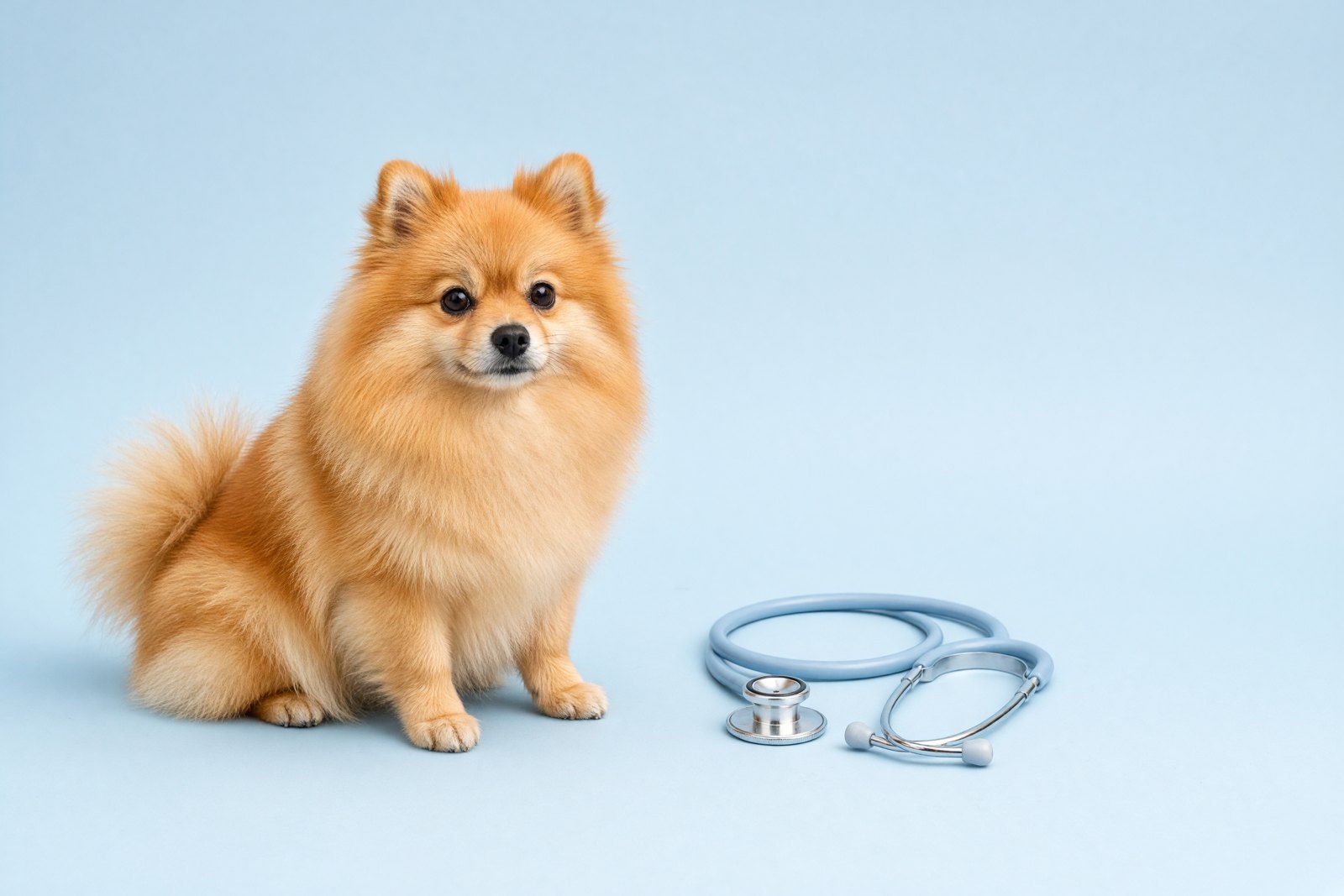
Distemper, parvovirus, hepatitis, leptospirosis… These diseases seem far away, and that is precisely thanks to vaccines. For a two or three kilo (4.5 to 6.5 lb) dog like the Pomeranian, parvovirus can be fatal within days. Here are the vaccines to give, at what age, and how often.
This article is for information only. Your dog's exact vaccination plan is set by your vet, based on its age, lifestyle and where you live.
In short
A Pomeranian puppy gets his first jab at around 8 weeks, then one every 2 to 4 weeks until at least 16 weeks, and a booster between 6 months and 1 year. In adults, the core vaccines (distemper, hepatitis, parvovirus) are often repeated every three years, leptospirosis every year. Rabies becomes compulsory as soon as he travels abroad. Your vet sets the exact schedule.
What the letters on the vaccination record mean
In Europe, dog vaccines are often written as letters. Each one stands for a disease:
| Letter | Disease | What to know |
|---|---|---|
| D (or C) | Canine distemper | A highly contagious virus affecting the lungs, gut and then the nervous system. Often fatal in puppies. |
| H | Infectious canine hepatitis | An adenovirus that mainly attacks the liver. |
| P | Parvovirus | Severe bloody gastroenteritis, very serious in puppies. The virus survives for months in the environment. |
| Pi | Parainfluenza | One of the viruses behind "kennel cough". |
| L | Leptospirosis | A bacterium spread in rodent urine, through water and damp ground. It can infect people. |
| R | Rabies | A separate vaccine, required in some situations (see below). |
Vets divide vaccines into two groups. Core vaccines, recommended for every dog in the world by WSAVA (the World Small Animal Veterinary Association): distemper, hepatitis and parvovirus. And vaccines recommended depending on lifestyle and region, such as parainfluenza or kennel cough. Leptospirosis sits in between: WSAVA considers it core wherever it circulates, which is the case in much of Europe.
The puppy schedule
At birth, a puppy is protected by its mother's antibodies. These fade at an age that varies from puppy to puppy, and while they are present, they stop the vaccine from working. That is why puppies are vaccinated several times.
- Around 8 weeks: first injection, often given by the breeder. Check the vaccination record when you collect your puppy.
- Every 2 to 4 weeks after that, until at least 16 weeks. This last, late injection is the one that matters most.
- A booster between 6 months and 1 year. WSAVA advises giving it from 26 weeks, rather than waiting for the first birthday.
Leptospirosis needs two injections a few weeks apart to get started. Your vet will fit them into the same schedule.
And in adult dogs?
With modern vaccines, protection from core vaccines lasts several years. WSAVA recommends not giving them more often than necessary: boosters are often three years apart, depending on the vaccine used. Vaccines such as leptospirosis or kennel cough protect for about a year, so they are boosted annually.
That is why the yearly vet visit matters, and not just for vaccines. It is the moment to weigh your Pom and check its known weak spots: teeth, kneecaps and trachea.
Rabies: required in some cases
Rabies vaccination rules depend on the country. Within the European Union, a dog that travels must be microchipped, have an EU pet passport and be vaccinated against rabies. Boarding kennels, campsites and shows often ask for it too.
The vaccine can be given from 12 weeks of age. After the first injection, you must wait 21 days before travelling. Some countries outside the EU also require a blood test (rabies antibody titre): check several months before you leave.
Kennel cough
The kennel cough vaccine, often given up the nose, is advised if your Pom goes to boarding kennels, the groomer, training classes or shows. In a dog prone to tracheal collapse, an infectious cough is especially hard: talk to your vet.
After the vaccine: what is normal and what is not
- Normal: a little tiredness, a small lump under the skin where the injection was given, less appetite for a day.
- Report quickly: a swollen muzzle or eyes, itching, vomiting, difficulty breathing. Small breeds have these reactions a little more often, and your vet may then space out the injections.
Frequently asked questions
Can my puppy go out before its vaccinations are finished?
Yes, carefully. Socialisation between 3 and 12 weeks is essential. Carry it in your arms or a bag in busy places, avoid spots where lots of unknown dogs pass, and let it play with healthy, vaccinated adult dogs. See also our new puppy checklist.
Does such a small dog get a full dose?
Yes. A vaccine dose is not based on weight: a Pom gets the same dose as a large dog. A "half dose" might not protect it.
Does a Pom that hardly goes out need vaccinating?
Yes, for core vaccines. Parvovirus can come into the house on your shoes and survive for months. Other vaccines depend on its lifestyle.
Can I check that my dog is still protected?
Yes. A blood test (serology) measures antibodies against distemper, hepatitis and parvovirus. It can help decide on a booster in adult dogs, but it does not replace the yearly check-up.
Sources: WSAVA, 2024 Guidelines for the Vaccination of Dogs and Cats; European Union, Travelling with pets. This article is for information only and does not replace advice from a vet.