
Getting ready for a Pomeranian puppy: the complete checklist
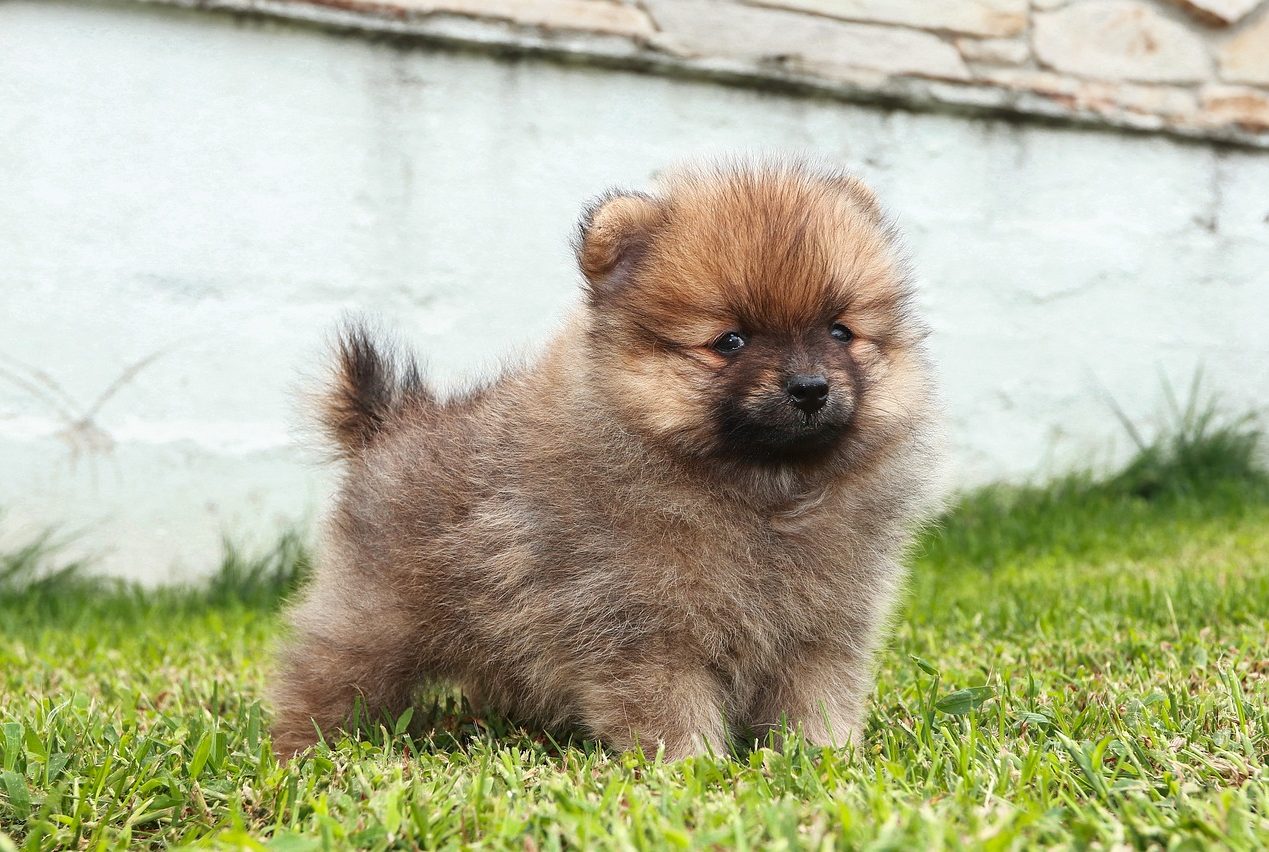
It arrives in a few days. It weighs less than a kilo (2.2 lb), fits in your two hands, and is about to discover everything in your home: the smells, the noises, the stairs. Here's the complete checklist for welcoming a Pomeranian puppy, without forgetting anything and without buying what you don't need.
Before it arrives: the paperwork
- Choose a vet and book an appointment for the week it arrives. They'll do a first check and plan the rest of the vaccinations. Keep up the deworming too: every month until 6 months of age.
- Collect the documents from the breeder: health record or passport, identification certificate (microchip), vet certificate, and the pedigree certificate if the puppy is registered.
- Ask the breeder what the puppy eats, the exact brand and the number of meals. You'll keep the same food for the first few weeks.
- Think about insurance if you want it: it's easier to take out on a young dog.
Puppy-proofing your home
A Pom puppy gets everywhere and chews everything. Get down to its height and take a tour:
- Electrical cables tidied away or protected.
- Toxic plants, cleaning products and medicines out of reach.
- Stairs and the balcony closed off with a gate: a puppy weighing a few hundred grams can squeeze between bars.
- Small objects (hair ties, bottle caps, socks) picked up: everything ends up in its mouth.
- The sofa and the bed: jumping down from these heights is risky for its knees and still-fragile bones. Plan to carry it, or set up a small set of stairs. See luxating patella in Pomeranians.
The equipment checklist
For sleeping
- A small round bed with raised sides, where it can curl up. Puppies like to feel surrounded.
- A playpen or crate for the first nights and for times you can't supervise it: it's its own space, not a punishment.
- A blanket or cloth that smells of its mother, if the breeder can give you one.
- A soft comfort toy: Poms love having one to suckle and cuddle, especially during the first nights. Choose one without sewn-on eyes or small parts, and replace it if it gets damaged.
For eating
- Two small bowls, for water and food, stable and shallow.
- The same food as at the breeder's, enough for the first few weeks.
- Small treats for training, counted in the day's ration.
- A kitchen scale: weigh the daily ration rather than measuring it with a scoop. Poms are often greedy eaters, and on a dog of a few kilos, a few extra grams a day add up quickly. If your puppy wolfs down its food in seconds, a slow-feeder bowl or a snuffle mat makes it eat more slowly. See how much to feed a Pomeranian.
For going out
- A harness that fits, rather than a collar: a Pom's trachea is fragile. See harness or collar for a Pom.
- A light lead, thin and short. Avoid retractable leads, which are heavy and not suited to learning to walk on a lead.
- An ID tag with your number, to clip onto the harness.
- A carrier bag for the vet and for journeys.
For grooming
- A fine-pin slicker brush and a comb: the puppy will lose its baby coat between 4 and 7 months, and that's the best time to get it used to brushing. See how to brush a Pomeranian.
- A nail clipper or grinder suited to small dogs.
- A dog toothbrush and dog toothpaste: start early, so it becomes a routine.
Not equipped yet? Slicker, rake or comb: we compare the tools that suit a double coat in our guide to the best brush for a Pomeranian.
For playing
- Toys that fit its size, sturdy, with no small detachable parts.
- A chew toy for the teething period, around 4 to 6 months.
- A snuffle mat: searching for its kibble in the fabric keeps it busy, tires it out and calms it down.
For house training
- Puppy pads for the first few weeks, if you can't go out every two hours.
- An enzymatic cleaner for little accidents: it destroys the smell that would encourage it to go in the same spot again.
The first few days
- Keep it calm. Avoid inviting the whole family the first weekend. The puppy needs a lot of sleep, up to 18 hours a day.
- Regular meals. In very small breeds, a puppy that skips meals can become hypoglycaemic: sudden tiredness, trembling, weakness. Split meals as the breeder told you, and call your vet straight away if these signs appear.
- Socialisation. Between about 3 and 12 weeks, the puppy discovers the world. Gently introduce it to varied noises, people and situations, within what your vet allows given its vaccinations.
- Good habits right away. Handle its paws, ears and mouth for a few seconds every day, with a reward. The groomer and the vet will thank you.
What you don't need to buy straight away
Clothes, lots of toys, the big basket "it'll need as an adult": an adult Pom stays small, and you'll discover its tastes over time. The coat can wait until its first winter. See our guides for what comes next.
Frequently asked questions
At what age can a Pom puppy leave its mother?
In the UK, licensed sellers cannot sell a puppy under 8 weeks old, and most European countries set the same minimum. Rules vary from country to country and, in the US, from state to state: check the law where you live. Many breeders of small breeds prefer to wait a little longer.
How many meals a day for a Pom puppy?
Usually three to four small meals until about four months, then fewer as it grows. Follow your breeder's and vet's advice.
Collar or harness for a puppy?
A harness that fits. It protects its trachea and adapts better to a body that's growing fast.
When should brushing start?
From the first week, with very short sessions and lots of rewards. The goal isn't to detangle, but to get it used to it.
This article is for information only. For your puppy's vaccinations, diet and health, follow your vet's recommendations.