
Pomeranian health: the complete guide
Pomeranians often live 12 to 16 years. To keep yours healthy, there is the basic prevention every dog needs, plus a few weak spots typical of the breed. Here are all our guides, grouped by question.
Prevention all year round
Vaccinations, deworming, parasites and teeth: the basics, to follow with your vet.
 Pomeranian vaccinations: which ones, at what age, and how oftenWhat the letters on the record mean, the puppy schedule, how often adults need boosters, and when rabies is required.
 Deworming a Pomeranian: how often, with what, and how dewormers differWhich worms, how often for puppies and adults according to European guidelines, how dewormers differ, and correct dosing.
 Fleas in Pomeranians: spotting them in a double coat, treating the dog and the homeWhy you see so few on the dog, the flea comb and wet paper test, and how to treat the dog, other pets and the home.
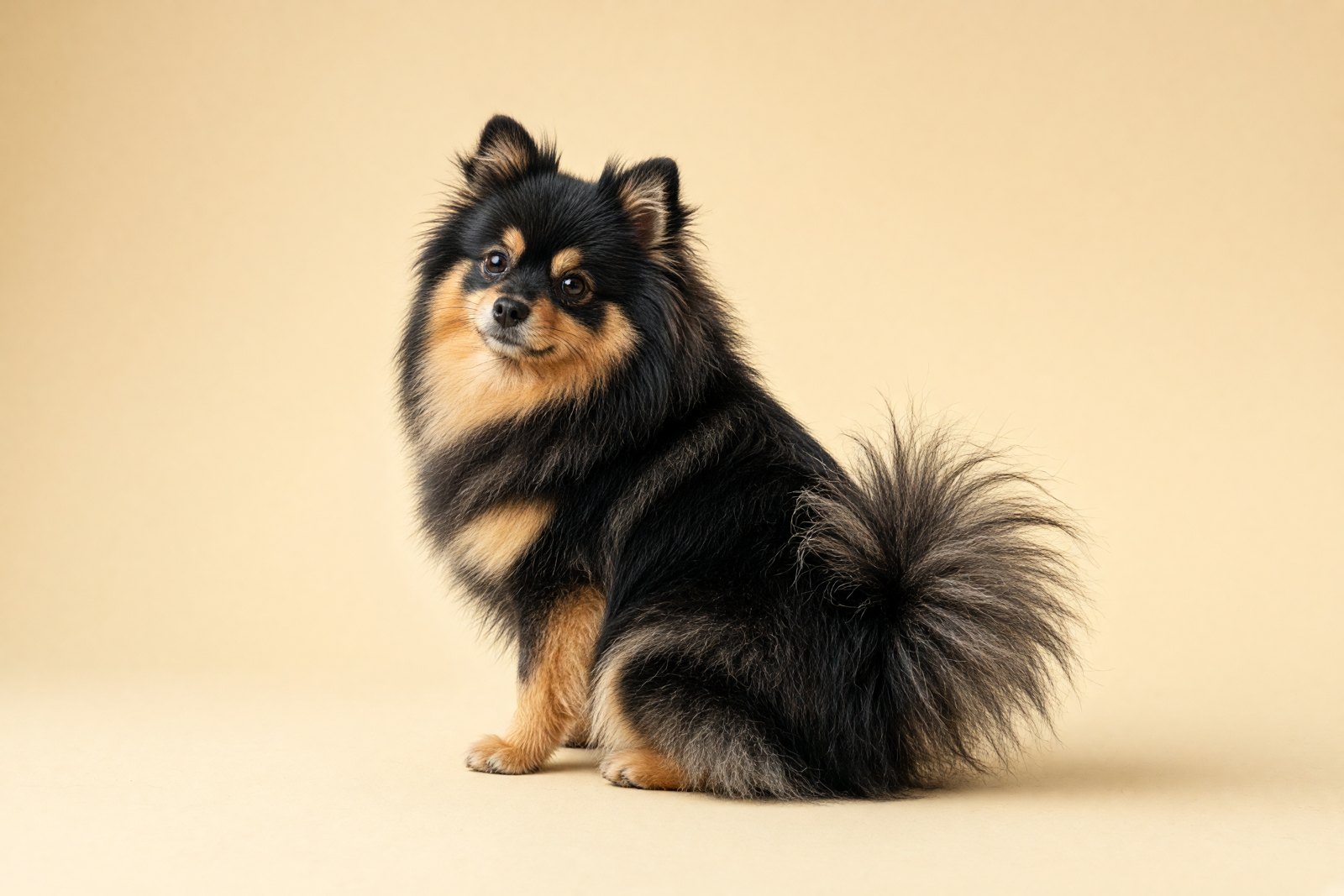 Pomeranian anal glands: the signs, when to empty them, and who should do itWhy your Pom scoots, the signs of full glands, the stages up to an abscess, who should empty them and how to prevent problems.
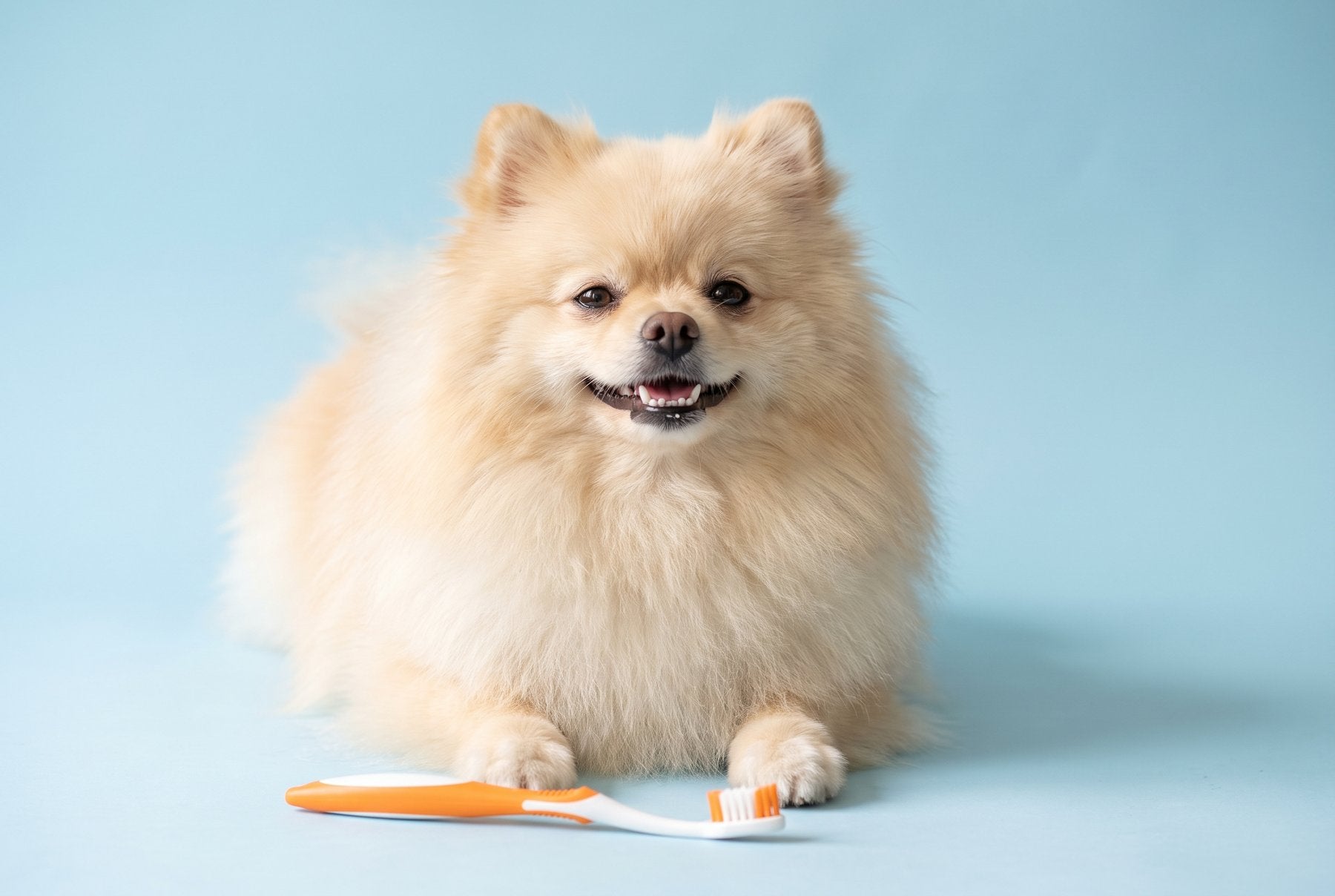 Pomeranian teeth: tartar, brushing, baby teethBad breath, tartar, baby teeth that won't fall out: why the mouth is a Pom's weak spot, and how to get it used to brushing in two weeks.
Its weak spots
The best-known health problems in Poms, and how to spot them early.
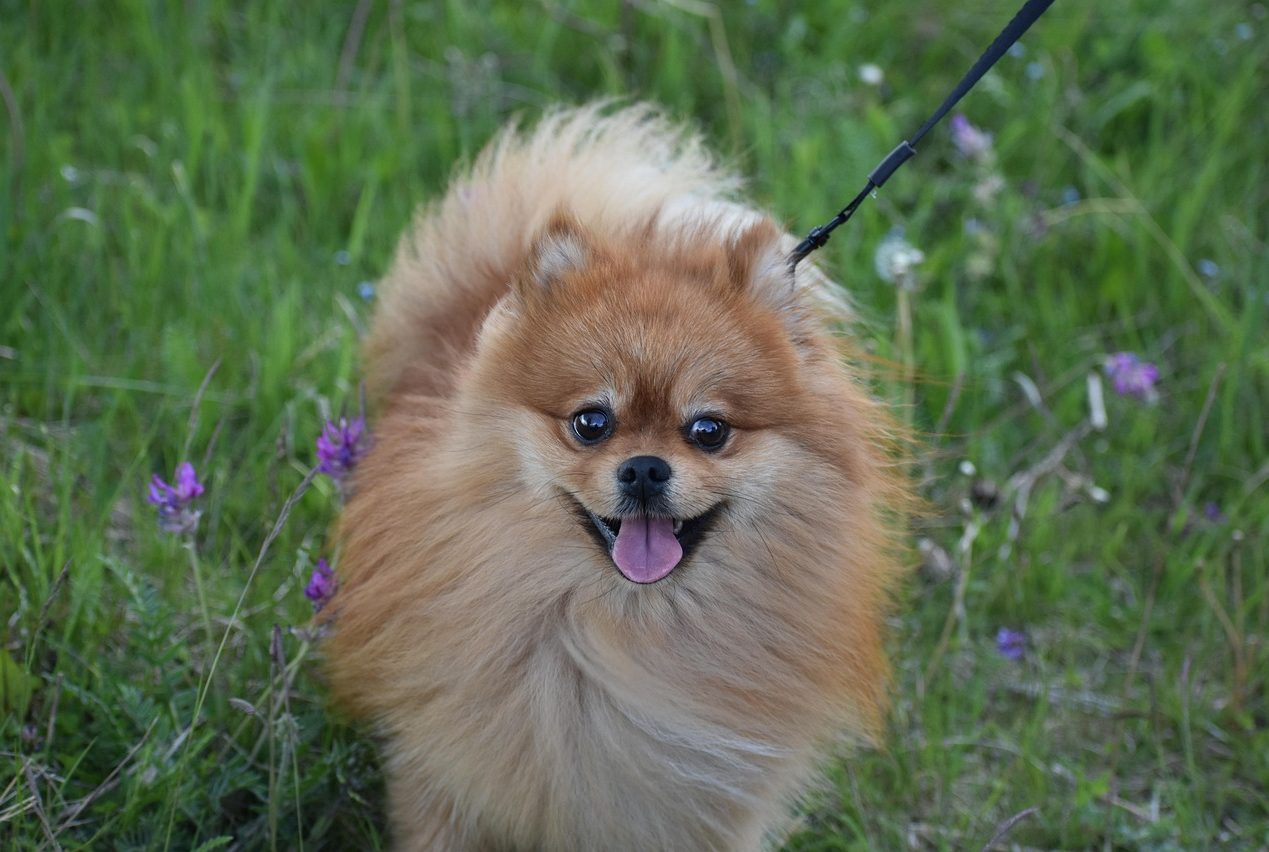 Tracheal collapse in Pomeranians: signs, treatment, preventionA dry goose-honk cough, coughing fits when it pulls on the lead: what tracheal collapse is, why Poms are concerned, and the habits that protect its windpipe.
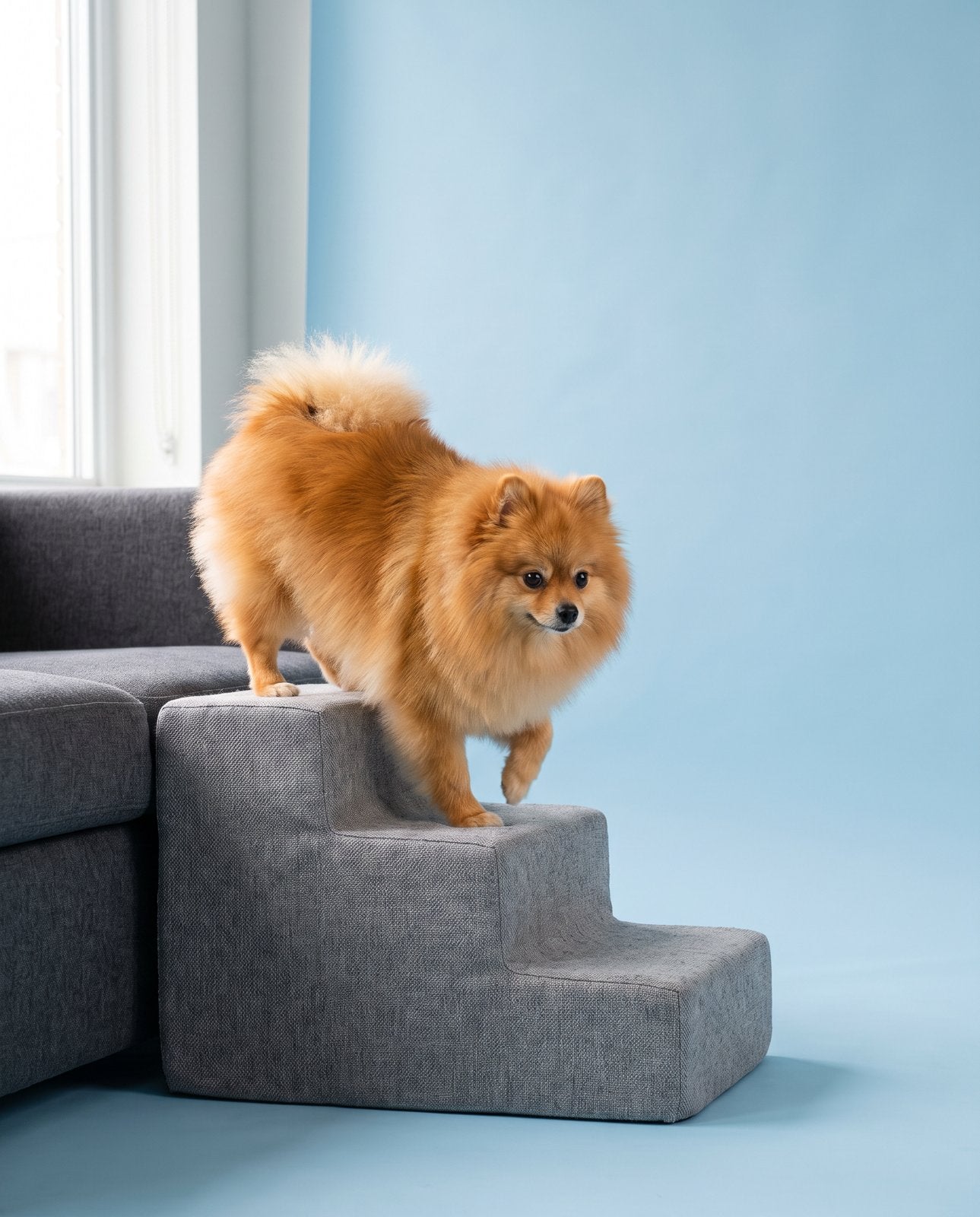 Luxating patella in Pomeranians: signs, grades, treatmentDoes it lift a back leg for a few steps, then carry on? The signs of a luxating patella, its four grades, treatment, and how to protect its knees every day.
 Alopecia X in Pomeranians and Spitz breeds: symptoms, causes, what to doSymmetrical hair loss, darkening skin, hair that won't grow back: what veterinary sources say about alopecia X in Pomeranians and Spitz breeds, its diagnosis and treatments.
 Pomeranian shedding: normal coat change or warning sign?Seasonal shedding, puppy coat change, hair loss after a season: how to tell normal shedding from a warning sign in a Pomeranian, and how to manage shedding season.
Good everyday habits
Harness, weight, cold, nails: the small choices that protect its health.
 Harness or collar for a Pomeranian: the real comparisonWhy collars are a problem for Poms, which harness to choose, how to measure it under the coat and fit it: the complete comparison.
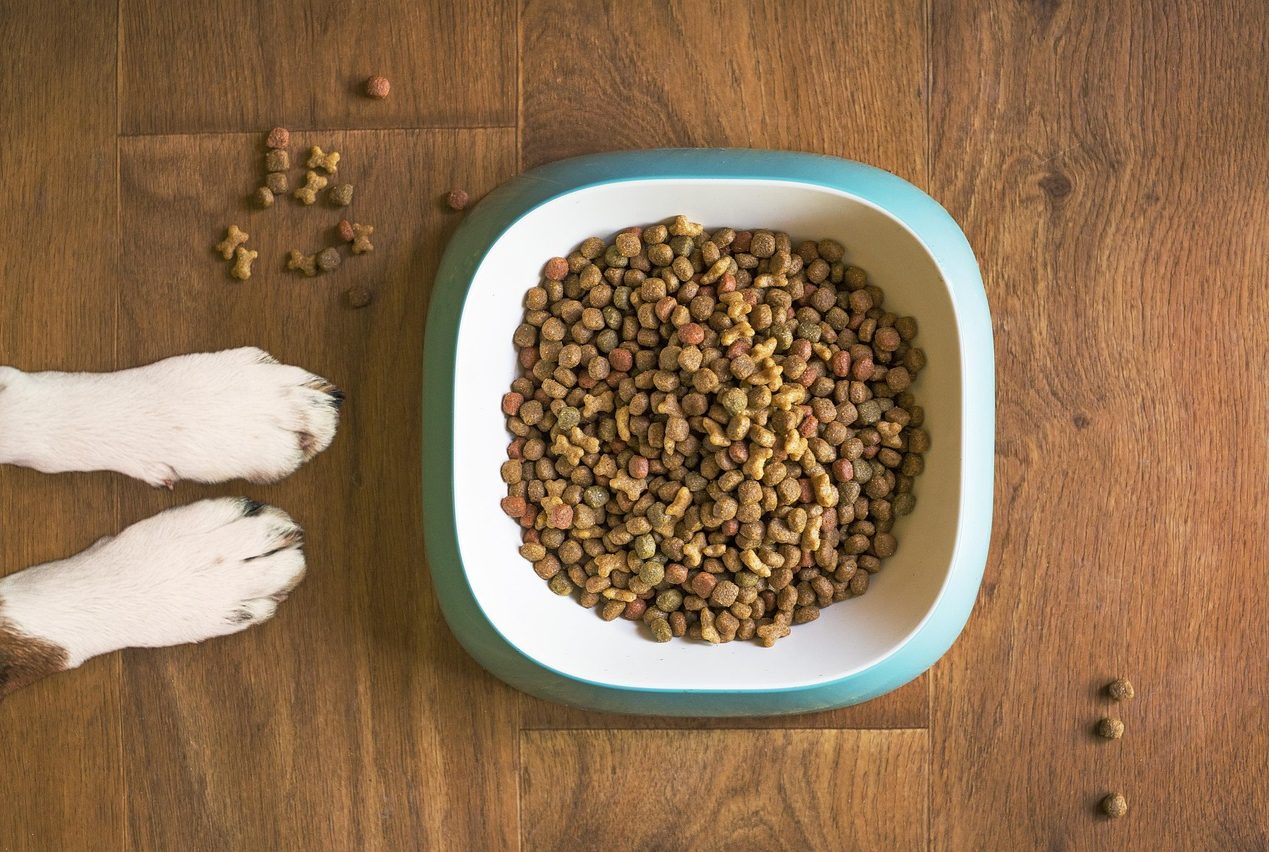 How much should a Pomeranian eat? Portions by weightCalories, grams of kibble by weight, number of meals, treats: how to work out a Pom's portion and keep it at a healthy weight.
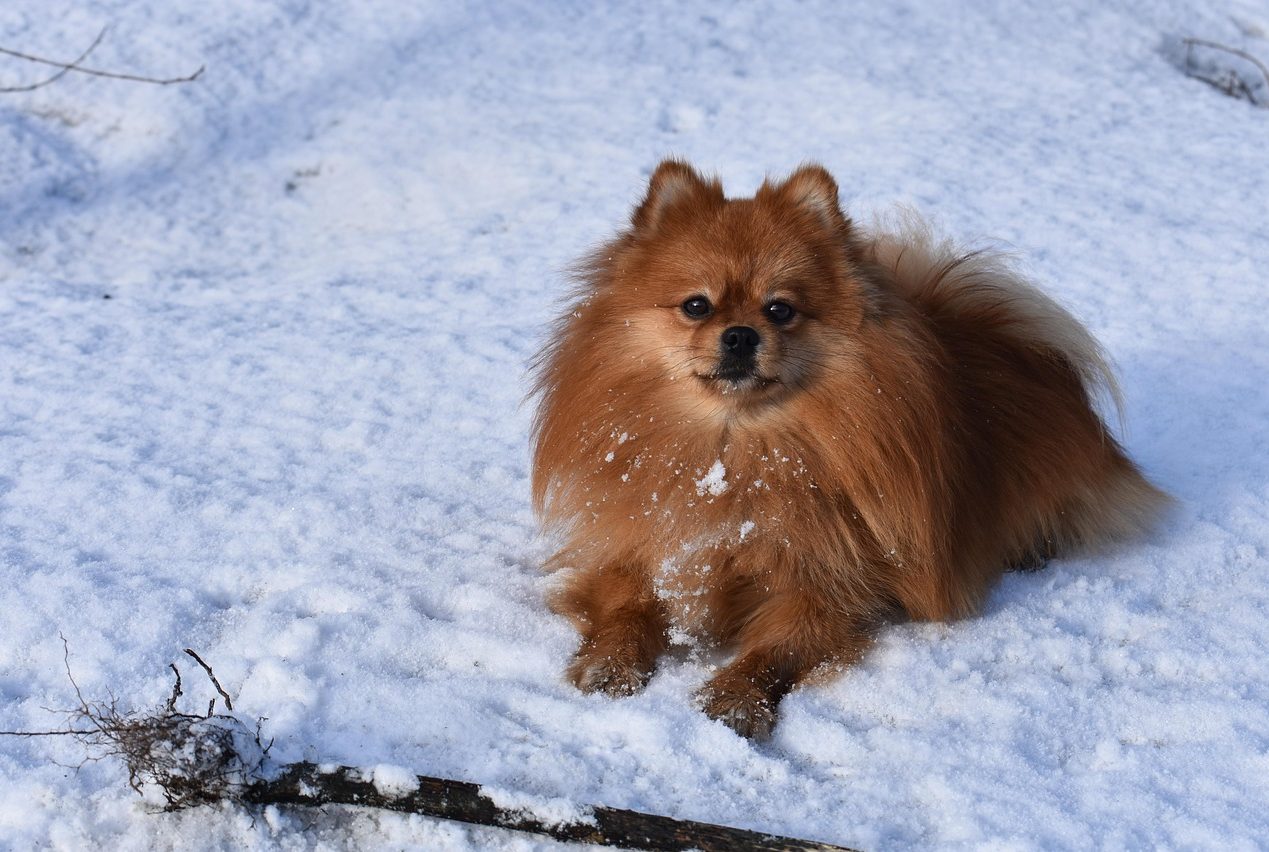 Do Pomeranians get cold in winter? Sweaters, coats, and when to use themIts double coat insulates well, but it weighs two kilos: when a Pom really feels the cold, when a sweater helps, and how to protect its paws in winter.
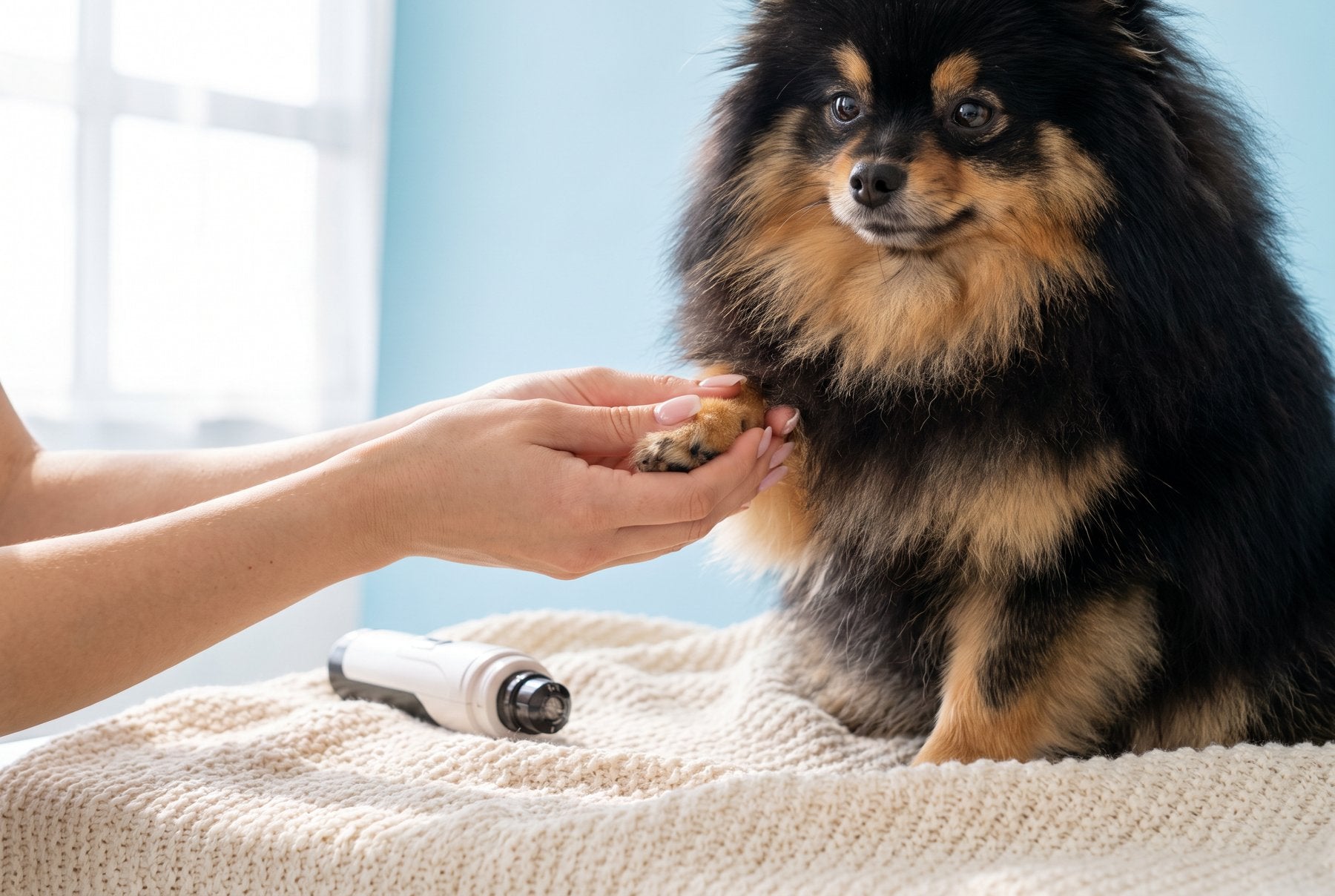 How to trim a Pomeranian's nails without hurting itLight or black nails, clippers or grinder, forgotten dewclaws: the step-by-step method for trimming a Pom's nails, and getting it used to it calmly.
 Should you shave a Pomeranian? Short hair, close shaves and what nobody tells youShaving your Pomeranian looks like an easy fix for heat, shedding or knots. On a double coat, it's risky: post-clipping alopecia, slow regrowth, exposed skin. When it's justified, and the alternatives.
When to see a vet straight away
- A puppy that skips a meal, then suddenly becomes tired or trembles: risk of hypoglycaemia.
- Vomiting or diarrhoea with blood, especially in a puppy.
- A cough that will not stop, difficulty breathing or bluish gums.
- A swollen muzzle or eyes after a vaccination.
- A red, painful lump near the anus.
- A back leg it no longer puts down at all.
Our guides are for information only and are based on veterinary sources cited in each article. They do not replace advice from your vet.